
Mold Susceptibility and Inspections In La Crosse, WI Area Homes
Long before the first homes in La Crosse County showed signs of mold in basements and crawlspaces, the story of this region began with its earliest settlement. In 1841, fur trader Nathan Myrick established a trading post along the banks of what would become Riverside Park, laying the foundation for the community that became La Crosse; by 1856 the village had grown rapidly enough to be incorporated as a city as steamboat commerce, sawmills, and railroads reshaped the riverfront landscape. Throughout the late 19th and early 20th centuries, neighborhoods around Cass Street, King Street, and Main Street filled with stately Victorian and Queen Anne homes, many built between the 1880s and 1930s, long before modern moisture mitigation construction practices were established. Landmarks such as the Christ Episcopal Church (built 1899) and the Gideon C. Hixon House (built 1859) stand as reminders of this era of rapid growth and architectural ambition.
Beyond La Crosse proper, neighboring communities also carved out their own identities during the county’s formative years. Onalaska was first platted in 1851, rooted initially in lumbering along the Black River; early sawmills and a thriving timber trade drew workers and settlers, establishing residential patterns that predate widespread modern housing standards. West Salem was platted in 1856, its growth tied to rail connections that facilitated goods and residents moving into the La Crosse region. Holmen, settled by Norwegian immigrants beginning around 1862 and incorporated as a city in 1946, reflects another wave of residential development that now includes homes built over many decades, each with its own maintenance and moisture management challenges.
As these communities matured through the 20th century, many homes were constructed without the benefit of modern waterproofing, foundation drainage, or vapor-retardant materials. In La Crosse itself, older housing stock common in historic districts often features stone or block foundations and wooden framing exposed to fluctuating moisture loads. The region’s humid continental climate, seasonal spring snowmelt from surrounding bluffs like Grandad Bluff (preserved as public parkland since 1912),
and proximity to the Mississippi River all contribute to groundwater pressure and surface runoff that challenge older building envelopes. Even in areas that saw mid-century or later development, such as parts of Holmen and Onalaska, foundational and roofing systems age, and without proper moisture control measures, subtle water intrusion becomes persistent. Because mold spores are inherently present in the environment, repeated or chronic dampness in basements, walls, and crawlspaces sets the stage for mold growth long before visible signs appear. This blending of local history, historic building practices, regional geography, and climate patterns helps explain why mold concerns are not random in La Crosse area homes but rooted in the very way this community developed over time.
This predominance of older homes contributes directly to susceptibility to mold and water intrusion issues. In humid continental climates like La Crosse’s with warm, humid summers and cold, wet transitional seasons. Moisture is a primary driver of indoor mold growth because spores are ubiquitous and only require moisture to proliferate. Older construction frequently features building materials and design standards that predate modern moisture control methods, meaning basements, crawlspaces, roof assemblies, and wall cavities may have less effective drainage, insulation, or vapor barriers. Additionally, historic homes often have aging plumbing, roofing, and foundation components that are more prone to leaks, condensation, and water intrusion, further elevating the risk of damp conditions that support mold colonization. Combined, the region’s housing age profile and its climatic moisture patterns help explain why water infiltration and mold are common concerns for homeowners and inspectors in the La Crosse area.
If you own a home in La Crosse or the surrounding communities and want peace of mind about mold risks, schedule a professional mold inspection today. We combine local expertise, advanced testing, and a deep understanding of the city’s historic homes to identify moisture issues before they become serious problems. Protect your home, your family, and your investment. Contact MD Mold now for a thorough, reliable inspection.
Concerned About Mold?
Contact MD Mold Today for a free consultation.
Did You Know...
In La Crosse County:
Total Population(2020): 120,784
Total Housing Units: 55,000
Homeownership Rate: 62.50%
Median Home Value: $243,200
Persons Per Household: 2.28


Nathan Myrick

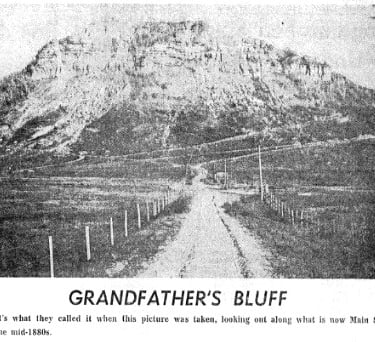
1880s-Known Today As Grandad's Bluff
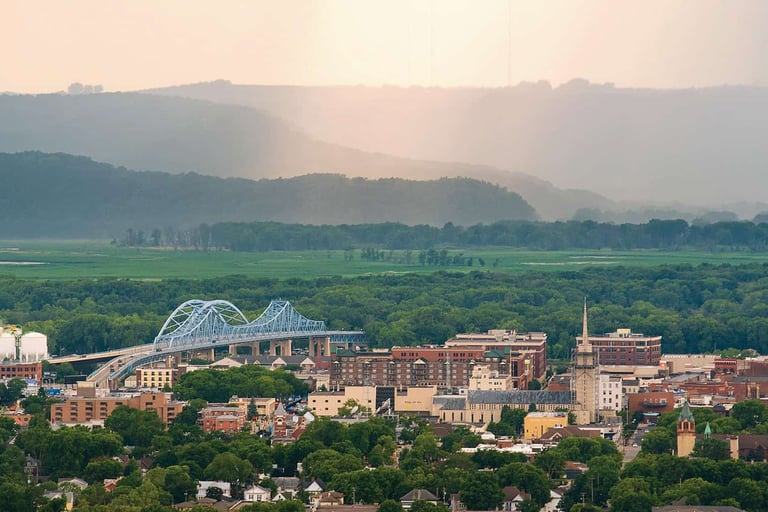
La Crosse, WI
Sources
City of La Crosse. (n.d.). City history. https://www.cityoflacrosse.org/your-government/departments/city-clerk/city-history
Society of Architectural Historians. (n.d.). La Crosse historic architecture. SAH Archipedia. https://sah-archipedia.org
U.S. Census Bureau. (2023). American Community Survey 5-year estimates: Housing characteristics—La Crosse County, Wisconsin. https://data.census.gov
Wisconsin Department of Health Services. (2023). Mold and moisture in homes. https://www.dhs.wisconsin.gov/mold
Wisconsin Historical Society. (n.d.-a). La Crosse. In Wisconsin Historical Dictionary. https://www.wisconsinhistory.org/Records/Article/CS2392
Wisconsin Historical Society. (n.d.-b). Onalaska. In Wisconsin Historical Dictionary. https://www.wisconsinhistory.org/Records/Article/CS2472
Wisconsin Historical Society. (n.d.-c). West Salem. In Wisconsin Historical Dictionary. https://www.wisconsinhistory.org
Wisconsin Historical Society. (n.d.-d). Holmen. In Wisconsin Historical Dictionary. https://www.wisconsinhistory.org
National Park Service. (n.d.). Historic residential construction practices in the Midwest. https://www.nps.gov
National Oceanic and Atmospheric Administration. (2023). Climate data for La Crosse, Wisconsin. https://www.ncei.noaa.gov
Wikipedia contributors. (2024). Christ Episcopal Church (La Crosse, Wisconsin). Wikipedia. https://en.wikipedia.org/wiki/Christ_Episcopal_Church_(La_Crosse,_Wisconsin)
Wikipedia contributors. (2024). Gideon C. Hixon House. Wikipedia. https://en.wikipedia.org/wiki/Gideon_C._Hixon_House
Wisconsin Department of Natural Resources. (2023). Mississippi River flooding and groundwater impacts. https://dnr.wisconsin.gov