Allergenic/Toxigenic Mold Detection
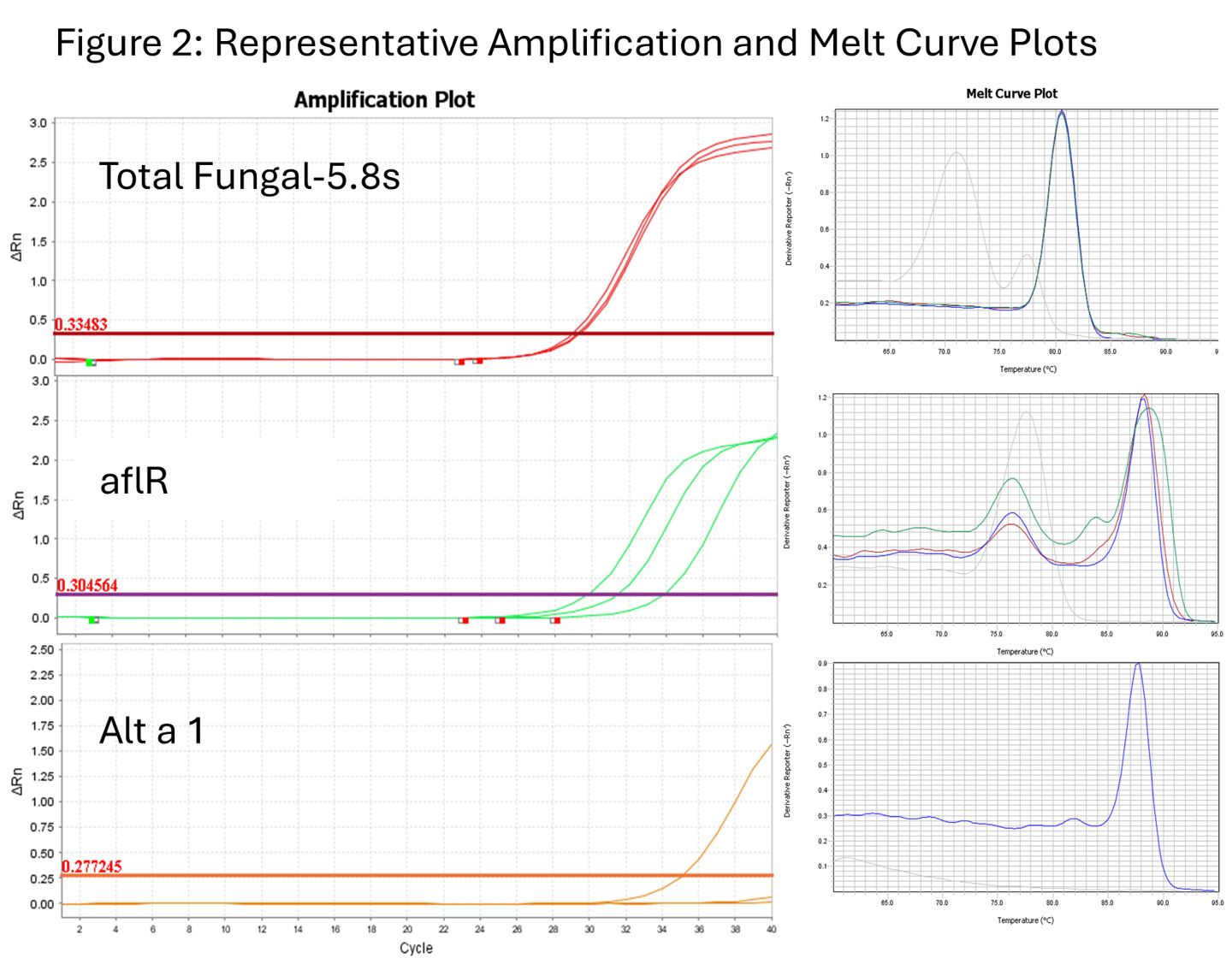
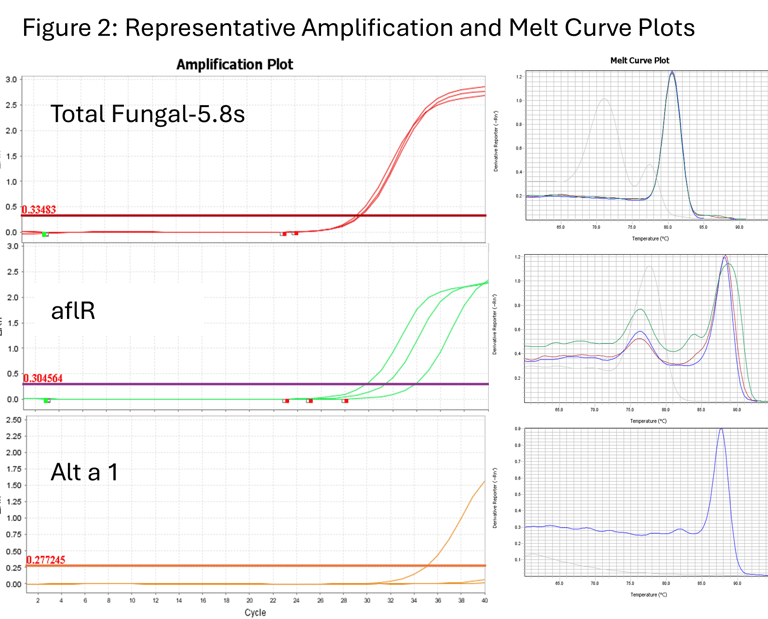
Allergen-Specific Mold Testing – Rather than relying solely on species identification, our allergen/toxigenic specific testing targets genes directly associated with production. This DNA-based approach focuses on the biological traits that actually drive allergic responses, providing clearer insight into potential health impacts. By identifying allergen-associated genes, we deliver more meaningful, health-focused results than species lists alone.
Total Fungal Load Testing
Total Fungal Load Testing – Our total fungal load testing measures the overall concentration of fungal material present in air, dust, or surface samples. This analysis provides a broad assessment of indoor fungal burden and helps identify environments with elevated moisture or microbial growth. When combined with targeted allergen and toxigenic gene testing, total fungal load offers important context for understanding indoor air quality and overall home health.
Microscopic Spore Count
Total Spore Count (Microscopy) – Total spore count analysis uses microscopic examination of air samples to estimate the concentration of airborne fungal spores. This method provides a general snapshot of fungal presence and can help identify elevated mold levels when compared to outdoor or background conditions. While useful for assessing overall fungal burden, total spore counts do not distinguish allergenic or toxigenic potential, which is why they are most effective when combined with advanced molecular testing.
All sampling, analysis, and reporting procedures are approved by the National Institute for Occupational Safety and Health (NIOSH)Manual of Analytical Methods, U.S. Environmental Protection Agency (EPA), American Industrial Hygiene Association (AIHA) and the American Conference of Governmental Industrial Hygienists (ACGIH).
Laboratory Services
Our laboratory provides comprehensive environmental testing services utilizing a full suite of analytical methodologies. We perform gravimetric analysis, culture-based microbiological assessment, quantitative PCR, and chemical analysis to detect and identify biological and chemical contaminants in indoor environments. Structural integrity evaluations are conducted alongside laboratory work to assess building envelope performance, identify hidden moisture intrusion, and document conditions conducive to biological growth — supporting forensic investigations, litigation, regulatory compliance, and evidence-based remediation planning.
Interested?
Contact Us for Testing Services – Whether you’re a professional inspector or a homeowner concerned about indoor air quality, our laboratory testing services are available to anyone. We provide fast turnaround times, clear and actionable results, and some of the most competitive pricing in the industry. Reach out today to schedule sampling or learn more about how our advanced mold testing can help you make informed decisions about your home or property.